
Uncategorized
live rosin badder for sale
Oct
Live Rosin Badder: What It Is, How It’s Made, Quality Factors, and What to Know Before Buying
What Is Live Rosin Badder?
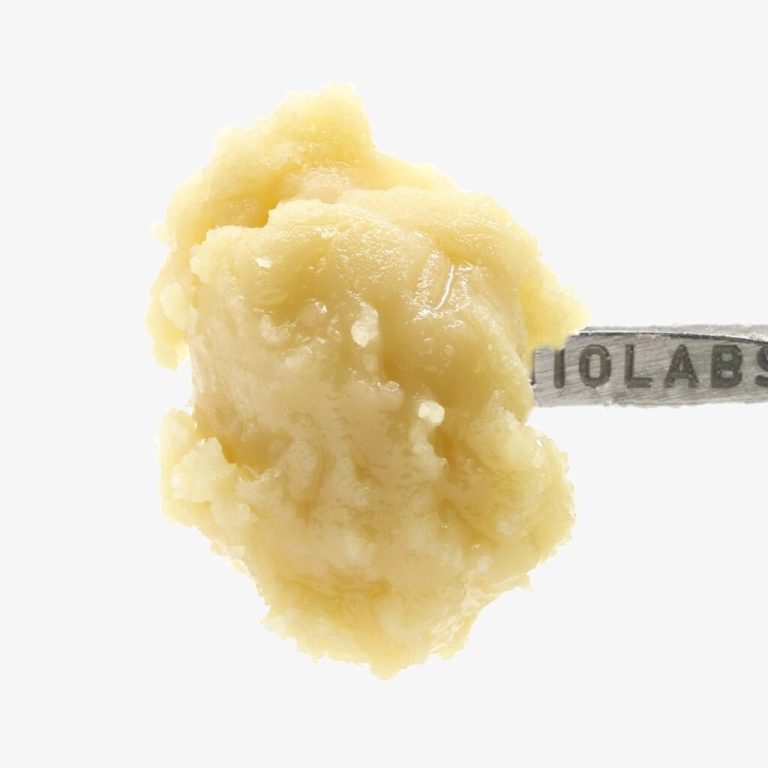
Live rosin badder is a type of solventless cannabis concentrate known for its soft, creamy, and often whipped texture. Unlike many other cannabis extracts, live rosin is produced without using chemical solvents such as butane or ethanol during the extraction process.
The term “live” generally refers to cannabis that is preserved in a fresh state after harvesting, commonly through freezing. Preserving the plant material this way can help retain compounds that may otherwise change during drying and curing.
The word “rosin” refers to an extraction process that uses heat and pressure rather than chemical solvents. When the resulting concentrate has a smooth, pliable consistency resembling a thick batter, it is commonly described as live rosin badder.
For consumers interested in cannabis concentrates, understanding the difference between product names, textures, extraction methods, and laboratory results can make it easier to evaluate products responsibly.
How Is Live Rosin Made?
Live rosin begins with cannabis that is typically harvested and frozen rather than traditionally dried and cured.
The frozen material can be processed into ice-water hash, sometimes referred to as bubble hash. This stage separates resin-rich trichomes from much of the plant material.
The resulting material is then subjected to controlled heat and pressure. This process allows the resin to flow out of the plant material and collect as rosin.
Because the process does not rely on hydrocarbon solvents, live rosin is often categorized as a solventless concentrate.
The final texture depends on several factors, including the starting material, processing conditions, moisture content, terpene composition, and post-extraction handling. When processed and handled appropriately, the concentrate may develop the characteristic soft, creamy consistency associated with badder.
Why Is Live Rosin Popular?
Live rosin has attracted attention because it combines a solventless extraction method with fresh-frozen starting material.
Many consumers are particularly interested in the aromatic characteristics of live rosin. Cannabis contains a wide variety of naturally occurring aromatic compounds, including terpenes. Preservation and processing techniques can influence how these compounds are represented in the finished concentrate.
Another reason live rosin receives attention is its texture. Badder-style concentrates are generally softer and easier to manipulate than hard, glass-like concentrates.
However, texture alone should never be considered proof of quality. A visually attractive concentrate can still have poor laboratory results, questionable production practices, or inadequate storage.
Live Rosin Badder vs. Other Cannabis Concentrates
Cannabis concentrates come in many forms, and the differences can be confusing.
Live Rosin vs. Traditional Rosin
Both products are produced using heat and pressure rather than traditional chemical solvents. One important distinction is the starting material.
Traditional rosin can be produced from dried and cured cannabis or processed material, while live rosin generally starts with cannabis that has been preserved fresh, commonly through freezing.
Live Rosin vs. Live Resin
The names sound similar, but the extraction processes are different.
Live resin is commonly produced using hydrocarbon solvents, while live rosin is a solventless product made through mechanical separation and pressing.
Consumers should therefore look beyond the word “live” and check the product’s extraction method and laboratory documentation.
Live Rosin vs. Distillate
Distillate is a highly refined cannabis extract that generally has a much different appearance and chemical profile than live rosin.
Distillates are often associated with high cannabinoid concentrations and a relatively uniform appearance, while live rosin is typically valued for its broader representation of compounds from the starting material.
These products serve different purposes and should not be judged using exactly the same criteria.
What Does High-Quality Live Rosin Badder Look Like?
Appearance can provide useful information, but it should not be the only factor used to evaluate a cannabis concentrate.
Live rosin badder commonly has a soft, creamy, or whipped appearance. Depending on the starting cultivar and processing method, its color can range from pale cream and gold to deeper shades.
Texture can also vary. Some products may be extremely soft, while others can be thicker and more difficult to manipulate.
Potential quality indicators include:
- Clear and accurate product labeling
- A traceable batch or lot number
- Appropriate laboratory testing
- Clearly stated cannabinoid information
- Appropriate storage recommendations
- Transparent information about production and extraction
- Packaging that complies with applicable regulations
Consumers should be cautious about products making exaggerated claims based solely on appearance, potency, or marketing language.
Why Laboratory Testing Matters
Laboratory testing is one of the most important considerations when evaluating cannabis products.
Depending on local regulations, testing may provide information about cannabinoid concentrations, contaminants, pesticides, residual solvents, heavy metals, microbial contamination, and other safety-related measurements.
A laboratory report, often called a Certificate of Analysis (COA), can provide considerably more useful information than a product description alone.
When evaluating a COA, consumers should check whether the document corresponds to the exact product and batch being considered.
Important information may include:
- Cannabinoid profile
- THC concentration
- CBD concentration
- Terpene information when available
- Contaminant testing
- Pesticide screening
- Heavy-metal testing
- Microbial testing
- Batch or lot identification
Testing requirements vary by jurisdiction, so consumers should rely on the regulations applicable to their location.
Live Rosin Badder Storage
Proper storage can affect the appearance, texture, aroma, and overall stability of cannabis concentrates.
Exposure to excessive heat, light, oxygen, and repeated temperature changes can contribute to degradation.
A properly sealed container and appropriate storage environment can help minimize unnecessary exposure to these conditions.
Consumers should follow the storage instructions provided by the legally authorized manufacturer or retailer.
It is also important to keep cannabis concentrates away from children, pets, and anyone who should not have access to them.
Understanding Terpenes in Live Rosin
Terpenes are naturally occurring aromatic compounds found in cannabis and many other plants.
They contribute to the smell and flavor characteristics associated with different cannabis cultivars.
Because live rosin begins with fresh plant material, terpene preservation is often an important part of its appeal. However, terpene content varies substantially between cultivars and batches.
A product’s terpene profile can therefore provide additional information beyond the basic THC percentage.
When available, consumers may find terpene information on laboratory documentation or compliant product packaging.
Choosing a Live Rosin Product Responsibly
For adults in jurisdictions where cannabis concentrates are legally available, purchasing decisions should begin with legality and product verification.
Rather than choosing a product solely because it has a high THC percentage or attractive packaging, consider several factors together.
1. Check Legal Status
Cannabis laws differ significantly between countries, states, provinces, and territories. Make sure the product is permitted where you live and that you meet applicable age requirements.
2. Verify the Source
Use legally authorized retailers or dispensaries where required by local law. Avoid products with unclear origins or missing laboratory information.
3. Read the Label
Look for batch information, cannabinoid content, ingredients where applicable, manufacturer information, and required warnings.
4. Review Testing Information
If a Certificate of Analysis is available, verify that it corresponds to the specific product and batch.
5. Consider Storage
Products that require temperature-controlled storage should be handled according to the manufacturer’s recommendations.
Related Cannabis Concentrate Categories
People researching live rosin badder may also encounter several other concentrate categories.
Live Rosin
A solventless concentrate produced from fresh or fresh-frozen cannabis material.
Rosin
A solventless concentrate produced using heat and pressure. The starting material may differ from live rosin.
Live Resin
A concentrate made from fresh or fresh-frozen cannabis using an extraction process that commonly involves solvents.
Hash
A broad category of cannabis concentrates consisting primarily of separated resin glands or trichome material.
Hash Rosin
Rosin produced by pressing hash or other concentrated trichome material rather than pressing ordinary flower directly.
Understanding these distinctions can make cannabis product labels easier to interpret.
Related Products and Offers: What Consumers Should Look For
Rather than judging cannabis products based on promotional claims or discounts alone, consumers can evaluate related products according to transparency and quality.
Potentially relevant categories include:
- Solventless rosin
- Hash rosin
- Live resin
- Cannabis flower
- Pre-rolled products
- Vaporizer products where legally permitted
- Laboratory-tested cannabis products
- Cannabis accessories permitted by local law
- Storage containers designed for appropriate concentrate storage
If a legally authorized retailer provides promotions, consumers should still verify product labeling, testing, applicable age restrictions, and local regulations before making a purchase.
A lower price does not necessarily indicate better value, and a higher price does not automatically indicate superior quality.
Frequently Asked Questions About Live Rosin Badder
Is live rosin badder solventless?
Yes. Live rosin is generally categorized as a solventless concentrate because heat and pressure are used instead of traditional chemical extraction solvents.
Why is live rosin called “live”?
The term generally refers to the use of fresh or fresh-frozen cannabis material rather than cannabis that has undergone conventional drying and curing before extraction.
What does badder mean?
“Badder” describes the consistency and texture of a concentrate. It generally refers to a soft, creamy, malleable texture.
Is live rosin the same as live resin?
No. Although both may use fresh or fresh-frozen cannabis, their extraction processes are different. Live rosin is solventless, whereas live resin is commonly produced using solvents.
Does live rosin contain THC?
Many live rosin products contain significant amounts of THC, although cannabinoid concentrations vary by product and batch. Always check the laboratory report and product label.
How should live rosin be stored?
Follow the manufacturer’s storage instructions. Generally, minimizing unnecessary exposure to heat, light, oxygen, and temperature fluctuations can help preserve concentrate quality.
Is live rosin legal everywhere?
No. Cannabis laws vary substantially by jurisdiction. Always check the laws applicable to your location before possessing or purchasing cannabis products.
Final Thoughts
Live rosin badder has become a notable category within the broader cannabis concentrate market because of its solventless production method, fresh-frozen starting material, distinctive texture, and aromatic characteristics.
For consumers, however, product terminology should only be the beginning of the evaluation process. Laboratory testing, traceability, labeling, legal compliance, storage, and responsible handling are equally important.
If cannabis concentrates are legal where you live, choose products from authorized sources and pay attention to the information provided on the package and laboratory documentation. Avoid relying exclusively on appearance, potency claims, discounts, or marketing language.
The most useful approach is an informed one: understand what live rosin badder means, learn how it differs from live resin and other concentrates, review available testing information, and follow all applicable cannabis laws and safety requirements.
