
Uncategorized
rosin badder for sale
Oct
Rosin Badder: What It Is, How It’s Made, Quality Factors, and Storage
What Is Rosin Badder?
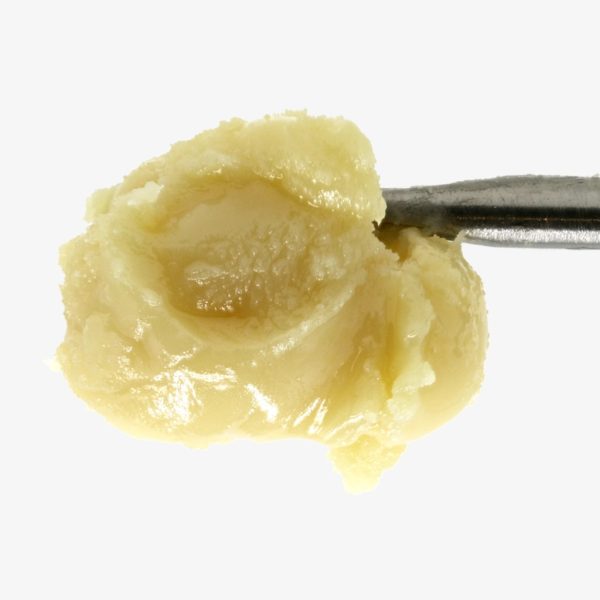
Rosin badder is a type of cannabis concentrate known for its soft, creamy, whipped, and sometimes cake-batter-like consistency. It belongs to the broader category of solventless cannabis concentrates, meaning its production does not rely on traditional chemical solvents such as butane or ethanol during extraction.
The term “badder” generally describes the texture rather than a completely separate extraction method. Depending on the processing technique, rosin can develop different consistencies, including rosin jam, rosin sauce, rosin batter, and badder. The final texture can be influenced by factors such as starting material, moisture content, pressing conditions, temperature, agitation, and post-processing.
For people researching cannabis concentrates, understanding the difference between rosin badder and other forms of concentrate can make product descriptions and laboratory information easier to understand.
How Is Rosin Badder Made?
Rosin begins with cannabis material containing cannabinoids and aromatic compounds known as terpenes. Instead of using a chemical solvent to separate these compounds from the plant material, rosin production relies primarily on heat and pressure.
The general process involves placing suitable cannabis material under controlled pressure while applying heat. This encourages resinous compounds to separate from the plant material. The resulting material can then be processed into different textures.
When the concentrate develops a soft, creamy consistency, it may be described as badder or batter.
Because processing conditions have a major influence on the final texture, two concentrates made from similar starting material can look and behave differently.
Why Is Rosin Considered a Solventless Concentrate?
One of the defining characteristics of rosin is its solventless production method. Traditional extraction methods can involve solvents, while rosin extraction uses mechanical pressure and controlled heat.
This distinction is important because “solventless” describes the extraction approach rather than automatically guaranteeing a particular level of purity or quality.
Consumers should still pay attention to independent laboratory testing where available. A laboratory report can provide information about cannabinoid concentrations, terpene profiles, contaminants, pesticides, heavy metals, and other quality indicators depending on the testing panel.
Rosin Badder vs. Live Rosin
These terms are sometimes used interchangeably, but they are not necessarily identical.
Rosin refers to a solventless concentrate produced through heat and pressure.
Live rosin generally begins with cannabis that has been preserved in a fresh or frozen state after harvesting rather than being conventionally dried and cured before extraction. This approach is intended to preserve a different profile of cannabinoids and volatile aromatic compounds.
Live rosin can also be produced in different textures, including badder-like consistencies.
Therefore, “badder” primarily describes texture, while “live” describes characteristics of the starting material and production process.
Rosin Badder Texture and Appearance
One reason rosin badder attracts attention is its distinctive texture.
Depending on the product, it may appear:
- Soft and creamy
- Whipped or aerated
- Smooth and glossy
- Pale gold to darker amber
- Thick but easy to manipulate
- Similar in appearance to soft cake batter
Color alone should not be used as a definitive measure of quality. Different cannabis genetics, processing methods, storage conditions, and levels of oxidation can affect appearance.
Likewise, texture can change over time. Temperature and exposure to air can influence consistency, terpene retention, and overall appearance.
What Affects Rosin Badder Quality?
Several factors can affect the characteristics of rosin badder.
Starting Material
The quality of the starting cannabis material is important. Genetics, cultivation conditions, harvesting practices, maturity, and storage before extraction can all influence the resulting concentrate.
Moisture Content
Appropriate moisture levels can be particularly important for solventless processing. Material that is too dry or too wet may behave differently during extraction.
Extraction Conditions
Pressure and temperature can influence the balance between yield, texture, cannabinoid preservation, and terpene retention.
Processing Technique
Additional handling after extraction can change the consistency of rosin. Agitation and controlled manipulation can contribute to the creamy texture associated with badder.
Storage
Even high-quality concentrates can change when exposed to excessive heat, light, oxygen, or inappropriate storage conditions.
Rosin Badder vs. Rosin Sauce
Rosin badder and rosin sauce can have different physical characteristics.
Rosin badder generally has a thicker, creamy, whipped texture. Rosin sauce tends to be more fluid and may contain a greater amount of separated terpene-rich material.
Neither texture is automatically “better.” The preferred consistency depends on the intended use, personal preference, and the characteristics of the specific concentrate.
Rosin Badder vs. Wax
Wax is another broad category of cannabis concentrate, but the extraction process can differ substantially from solventless rosin production.
Many wax products are produced using solvent-based extraction processes. Rosin badder, by contrast, is associated with solventless extraction.
The two can also differ in texture, aroma, appearance, cannabinoid concentration, and terpene profile.
When comparing concentrates, it is more useful to look beyond appearance and consider the extraction method, laboratory testing, ingredients, cannabinoid profile, and available production information.
Understanding Terpenes in Rosin Badder
Terpenes are naturally occurring aromatic compounds found in cannabis and many other plants. They contribute to the aroma and flavor characteristics associated with different cannabis varieties.
Rosin can contain a variety of terpenes, and the terpene composition can vary significantly depending on genetics and processing.
Common cannabis-associated terpenes include:
- Myrcene
- Limonene
- Caryophyllene
- Pinene
- Linalool
- Humulene
A laboratory terpene report can provide much more useful information than relying solely on a product’s strain name or marketing description.
How Should Rosin Badder Be Stored?
Proper storage can help preserve the characteristics of a cannabis concentrate.
In general, concentrates should be protected from:
- Excessive heat
- Direct sunlight
- Excessive air exposure
- Moisture
- Contamination
- Frequent temperature fluctuations
A clean, appropriate container with a secure seal can help reduce unnecessary exposure to environmental conditions.
Always follow the storage recommendations supplied by the manufacturer or licensed retailer, particularly where local regulations specify packaging or storage requirements.
Why Laboratory Testing Matters
Laboratory testing is an important consideration when evaluating cannabis concentrates.
Depending on the jurisdiction and testing laboratory, a certificate of analysis may provide information about:
- THC and other cannabinoids
- Terpene concentrations
- Pesticide screening
- Heavy metals
- Microbial contamination
- Residual solvents
- Other contaminants
A product’s appearance, aroma, or branding cannot replace independent laboratory testing.
Consumers should also be cautious about products making unusually strong claims without supporting laboratory information.
Legal Considerations
Cannabis laws vary substantially between countries, states, provinces, and municipalities. Cannabis concentrates may be subject to additional restrictions compared with other cannabis products.
Before possessing, purchasing, transporting, or using cannabis concentrates, people should check the laws applicable to their location.
This is especially important when traveling. Laws governing cannabis products can change at borders, airports, and across jurisdictions.
A product being legal in one location does not necessarily mean it can legally be transported to another location.
Responsible Use and Safety
Cannabis concentrates can contain highly concentrated amounts of cannabinoids. Their effects may therefore differ considerably from those associated with lower-concentration cannabis products.
People who choose to use cannabis should understand the potency information provided by reliable laboratory testing and follow applicable local laws and health guidance.
Cannabis can affect coordination, attention, reaction time, and judgment. Driving or operating machinery after cannabis use can create serious safety risks.
Cannabis products should also be kept securely away from children and pets.
Frequently Asked Questions About Rosin Badder
Is rosin badder solventless?
Yes. Rosin is generally classified as a solventless concentrate because its extraction relies on heat and pressure rather than traditional chemical solvents.
Is rosin badder the same as live rosin?
Not necessarily. “Badder” describes the consistency, while “live rosin” generally refers to rosin made from fresh or frozen cannabis material. Live rosin can have a badder-like consistency.
What does rosin badder look like?
It commonly has a soft, creamy, whipped appearance. Color can range from pale gold to amber and varies according to genetics, processing, and storage.
Does color determine rosin quality?
No. Color by itself is not a reliable quality indicator. Laboratory testing, production information, storage, and overall product integrity are more useful factors.
How should rosin badder be stored?
Follow the manufacturer’s storage instructions and protect the concentrate from excessive heat, light, moisture, and unnecessary air exposure.
What is the difference between badder and sauce?
Badder typically has a thicker and creamier consistency, while sauce is generally more fluid and terpene-rich in appearance. Both can be produced from solventless processes depending on the specific product.
Why is solventless extraction important?
Solventless extraction uses mechanical methods such as heat and pressure rather than conventional chemical solvents. However, solventless does not automatically mean a product is free from every possible contaminant, which is why testing remains important.
Related Cannabis Concentrate Categories
People researching rosin badder may also encounter several other concentrate categories.
Live Rosin
Live rosin is associated with fresh or frozen starting material and is valued for its distinctive cannabinoid and terpene characteristics.
Rosin Jam
Rosin jam generally has a more jam-like consistency and can contain separated terpene-rich components.
Rosin Sauce
Rosin sauce is typically associated with a more fluid consistency and prominent terpene content.
Hash Rosin
Hash rosin is produced by pressing cannabis hash or similar concentrated trichome material rather than conventional flower.
Flower Rosin
Flower rosin is produced by pressing cannabis flower directly. It can have different characteristics from rosin made from purified hash material.
What to Look for When Researching Rosin Products
When evaluating information about rosin products, prioritize transparency rather than marketing language.
Useful information can include:
- Clearly identified cannabinoid content
- Independent laboratory testing
- Terpene information
- Extraction method
- Production date or batch information
- Proper packaging
- Applicable regulatory information
- Manufacturer details
- Storage instructions
- Accurate ingredient and product labeling
These details provide a stronger basis for comparison than appearance or promotional claims alone.
Final Thoughts on Rosin Badder
Rosin badder is a distinctive form of cannabis concentrate recognized for its creamy consistency and solventless extraction process. Its characteristics are influenced by genetics, starting material, moisture, heat, pressure, processing, and storage.
For anyone researching rosin badder, understanding the terminology is particularly useful. “Rosin” describes the solventless extraction method, while “badder” primarily describes the physical consistency. Terms such as “live rosin,” “hash rosin,” “jam,” and “sauce” describe other characteristics or textures and should not automatically be treated as interchangeable.
The most reliable way to evaluate any cannabis concentrate is to consider transparent product information, independent laboratory testing, applicable regulations, and appropriate storage and safety practices.
Related Topics
- Live rosin
- Hash rosin
- Solventless cannabis concentrates
- Rosin jam
- Rosin sauce
- Cannabis terpene profiles
- Cannabis concentrate storage
- Cannabis laboratory testing
- Cannabinoid testing
- Cannabis product safety
