
Uncategorized
rainbow belt
Oct
Rainbow Belt: Flavor, Aroma, Genetics, Effects & What to Know
Rainbow Belt is a colorful and distinctive cannabis variety that has attracted attention for its combination of vibrant appearance, sweet fruit-forward aromas, dessert-like flavor notes, and complex terpene character. For people researching Rainbow Belt for the first time, understanding its background, sensory profile, appearance, and reported characteristics can make it easier to appreciate what makes this variety stand out.
Whether you are interested in cannabis genetics, terpene profiles, strain characteristics, or simply want to learn more about Rainbow Belt, this guide covers the key points in one place.
Important: Cannabis laws vary considerably by country, state, and region. Always check your local laws and regulations before possessing, using, cultivating, or purchasing cannabis or cannabis-derived products.
What Is Rainbow Belt?
Rainbow Belt is generally described as a modern cannabis variety recognized for its sweet, colorful, and candy-inspired sensory profile. The name reflects the variety’s association with vibrant colors and fruity, sugary aromas rather than simply describing its physical appearance.
Like many modern cannabis varieties, Rainbow Belt can be associated with complex breeding lines and terpene combinations. However, genetics and characteristics can vary between breeders, cultivators, phenotypes, and growing conditions. For that reason, consumers should not assume that every product labeled Rainbow Belt will have exactly the same aroma, potency, appearance, or effects.
One of the most appealing characteristics associated with Rainbow Belt is its combination of fruit-forward notes and creamy sweetness. Depending on the specific phenotype, people may notice aromas reminiscent of candy, tropical fruit, citrus, berries, or sweet dessert flavors.
Rainbow Belt Appearance
Visual appearance is one of the first characteristics people notice when looking at high-quality cannabis flower.
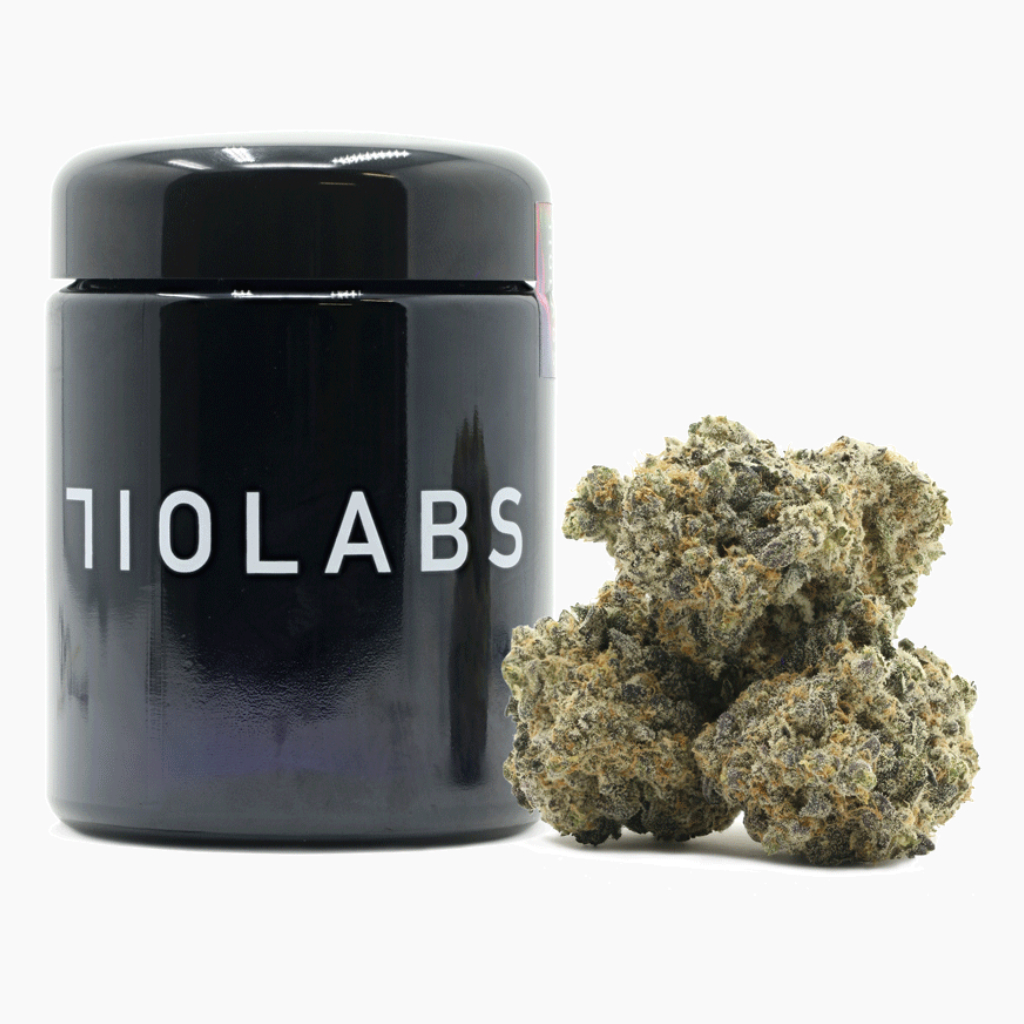
Rainbow Belt may display dense flowers with a combination of green shades, orange or reddish pistils, and a noticeable coating of trichomes. Depending on genetics and cultivation conditions, some examples can develop darker purple or violet tones.
The trichome coverage can contribute to a frosty appearance, while properly grown flowers may have a compact structure and noticeable resin production.
Appearance alone, however, should never be considered a reliable indication of potency or quality. Laboratory testing and responsible product information are much more useful when evaluating cannabinoid content and overall composition.
Rainbow Belt Aroma
Aroma is an important part of the Rainbow Belt experience. Its reported scent profile is often associated with sweet fruit and candy-like characteristics.
Commonly described aromatic notes can include:
- Sweet candy
- Tropical fruit
- Citrus
- Berries
- Creamy dessert notes
- Light floral undertones
- Earthy or herbal background notes
The exact aroma can vary considerably. Growing environment, curing, storage, phenotype, and terpene concentration can all influence how a particular sample smells.
For people interested in cannabis aromas, Rainbow Belt is an interesting example of how modern breeding can produce varieties with layered sensory profiles rather than a single dominant scent.
Rainbow Belt Flavor Profile
The flavor profile associated with Rainbow Belt is one of its most recognizable characteristics.
Many descriptions emphasize a combination of sweet and fruity flavors with candy-like undertones. Depending on the specific phenotype, the flavor may lean toward tropical fruit, berries, citrus, creamy sweetness, or a combination of several of these characteristics.
A typical descriptive profile may include:
Sweet Candy Notes
The candy-like character is one of the reasons the Rainbow Belt name is often associated with colorful confectionery flavors.
Fruity Characteristics
Fruit-forward notes can add brightness to the overall profile, with some examples described as tropical, berry-like, or citrus-forward.
Creamy Undertones
Some phenotypes may have a softer dessert character that balances the sharper fruit notes.
Herbal or Earthy Finish
A subtle earthy or herbal note can sometimes appear underneath the sweeter characteristics, creating additional complexity.
Flavor perception is subjective, and individual experiences can differ. Storage conditions, freshness, terpene preservation, and consumption method can also influence how the flavor is perceived.
Rainbow Belt Terpene Profile
Terpenes are aromatic compounds found in many plants, including cannabis. They contribute significantly to aroma and flavor and are an important part of understanding cannabis varieties.
Rainbow Belt may contain a combination of terpenes that contribute to its fruity, sweet, citrus, floral, and herbal characteristics. The exact terpene percentages can vary between samples, so laboratory testing is the best way to determine the composition of a particular product.
Some commonly encountered cannabis terpenes include:
- Myrcene – often associated with earthy and herbal aromas.
- Limonene – commonly associated with citrus aromas.
- Caryophyllene – often described as spicy or peppery.
- Linalool – associated with floral and lavender-like notes.
- Pinene – commonly associated with pine and fresh herbal aromas.
A terpene profile is more informative when it comes from a laboratory-tested sample rather than from the strain name alone.
Rainbow Belt Effects
Descriptions of cannabis effects can vary substantially from one person to another. Factors such as cannabinoid concentration, terpene composition, individual tolerance, consumption method, and personal physiology can influence the experience.
Rainbow Belt is often discussed in connection with a balanced or enjoyable sensory experience, but there is no universal effect that every person will experience.
Consumers should also be cautious about relying on strain names as guarantees of particular effects. Modern cannabis products can differ significantly even when they carry the same variety name.
If cannabis is legal where you live and you choose to use it, responsible decision-making is important. Avoid driving or operating machinery after using intoxicating cannabis products, and follow applicable local laws.
Rainbow Belt Genetics
Cannabis genetics can be complicated because the same name may sometimes be used by different growers or breeders for plants with different genetic backgrounds.
Rainbow Belt is commonly discussed as part of the modern dessert, candy, and fruit-forward cannabis breeding movement. Its popularity reflects growing interest in varieties that emphasize distinctive flavors and terpene combinations.
When researching genetics, look for information from the breeder or producer rather than assuming that every product carrying the Rainbow Belt name has an identical lineage.
Why Is Rainbow Belt Popular?
Several factors contribute to interest in Rainbow Belt.
First, the name itself creates a strong association with colorful fruit and candy flavors. Second, the variety is often described using a combination of sweet, fruity, creamy, and citrus-inspired characteristics.
The broader cannabis market has also increasingly focused on terpene profiles and sensory experiences. Instead of judging a product exclusively by cannabinoid percentages, many consumers are interested in aroma, flavor, cultivation practices, genetics, and laboratory testing.
Rainbow Belt fits naturally into that conversation because its identity is strongly connected with its sensory characteristics.
How To Evaluate a Rainbow Belt Product
If Rainbow Belt is legal in your area, consider several factors when evaluating a product.
1. Check Laboratory Information
Laboratory testing can provide information about cannabinoid content, terpene levels, contaminants, and other measurable characteristics.
2. Review the Production Date
Freshness can affect aroma and overall quality. Look for clearly labeled production or packaging information where applicable.
3. Consider Storage
Cannabis flower can be affected by heat, light, oxygen, and humidity. Appropriate storage can help preserve its sensory characteristics.
4. Research the Producer
A transparent producer should provide clear information about the product, testing, ingredients, and applicable regulatory requirements.
5. Follow Local Laws
Always verify whether the product is legal in your jurisdiction and whether there are restrictions related to age, possession, transportation, or consumption.
Related Rainbow-Themed Products and Offers
A Rainbow Belt-focused content page can also introduce visitors to related legal products without making unsupported claims about cannabis effects.
Depending on your store’s legally permitted inventory, related categories could include:
Cannabis Lifestyle Accessories
Legal accessories such as storage containers, smell-resistant cases, cleaning supplies, rolling accessories, and other compliant lifestyle products can complement educational cannabis content.
Apparel and Merchandise
Rainbow-themed shirts, hats, stickers, posters, and other branded merchandise can appeal to customers interested in the visual identity surrounding colorful cannabis culture.
Terpene Education Products
Educational materials about terpenes and plant aromas can help customers understand why different cannabis varieties may smell and taste different.
Legal Hemp-Derived Products
Where permitted by applicable law, stores may offer compliant hemp-derived products that meet local regulatory requirements. Product descriptions should clearly state cannabinoid content and applicable legal limitations.
Special Offers
A store can use the Rainbow Belt article to highlight legitimate promotions such as:
- Discounts on qualifying accessories
- Multi-item accessory bundles
- Free shipping thresholds where legally available
- Seasonal merchandise promotions
- New-customer discounts on eligible products
- Loyalty rewards
- Educational product bundles
All promotions should comply with advertising rules, platform policies, age restrictions, and applicable local laws.
Rainbow Belt vs. Other Fruit-Forward Varieties
Rainbow Belt is particularly interesting when compared with other varieties known for sweet or fruit-forward profiles.
While one variety may emphasize citrus, another may focus on berries, tropical fruit, creamy dessert flavors, or candy-like aromas. These differences are largely influenced by genetics and terpene composition.
This makes comparing laboratory results more useful than relying only on marketing descriptions.
When comparing products, consider:
| Feature | What to Look For |
|---|---|
| Aroma | Fruit, candy, citrus, floral, herbal or earthy notes |
| Flavor | Sweetness, fruit character and overall complexity |
| Genetics | Verified breeder or producer information |
| Cannabinoids | Laboratory-tested cannabinoid content |
| Terpenes | Actual laboratory terpene results |
| Production | Cultivation and processing information |
| Testing | Independent laboratory documentation |
| Compliance | Local legal and regulatory requirements |
Frequently Asked Questions About Rainbow Belt
Is Rainbow Belt a real cannabis variety?
Rainbow Belt is used as a name for cannabis varieties and products, but genetics and characteristics can differ between producers. Always verify information with the specific breeder or producer.
What does Rainbow Belt smell like?
It is commonly associated with sweet, fruity, candy-like and sometimes citrus or creamy aromas. Individual samples can vary.
What does Rainbow Belt taste like?
Descriptions commonly mention sweet fruit, candy, tropical, berry, citrus, and dessert-like notes.
Is Rainbow Belt indica or sativa?
Classification can vary depending on the specific genetic line and producer. Modern cannabis varieties often do not fit neatly into traditional indica or sativa categories.
What makes Rainbow Belt different?
Its strongest distinguishing feature is its colorful, candy-and-fruit-oriented sensory identity combined with potentially complex terpene characteristics.
Does every Rainbow Belt product have the same effects?
No. Effects can vary according to cannabinoid concentration, terpene profile, phenotype, product formulation, individual tolerance, and other factors.
How can I verify a Rainbow Belt product?
Look for laboratory testing, producer information, batch information, cannabinoid results, terpene data, and appropriate regulatory labeling.
Final Thoughts on Rainbow Belt
Rainbow Belt represents the colorful and flavor-focused side of modern cannabis culture. Its association with sweet fruit, candy, citrus, and dessert-like characteristics makes it an interesting subject for anyone researching cannabis genetics and terpene profiles.
However, the Rainbow Belt name should not be treated as a guarantee of identical genetics, potency, flavor, or effects. Different producers can create products with meaningful differences, making laboratory testing and transparent product information important.
For consumers in areas where cannabis and applicable hemp products are legal, responsible research starts with understanding the product, checking the applicable regulations, reviewing laboratory information, and purchasing only through lawful channels.
For businesses, a high-quality Rainbow Belt content page can serve as an educational resource while also introducing visitors to compliant accessories, merchandise, educational materials, and other legally permitted products.
